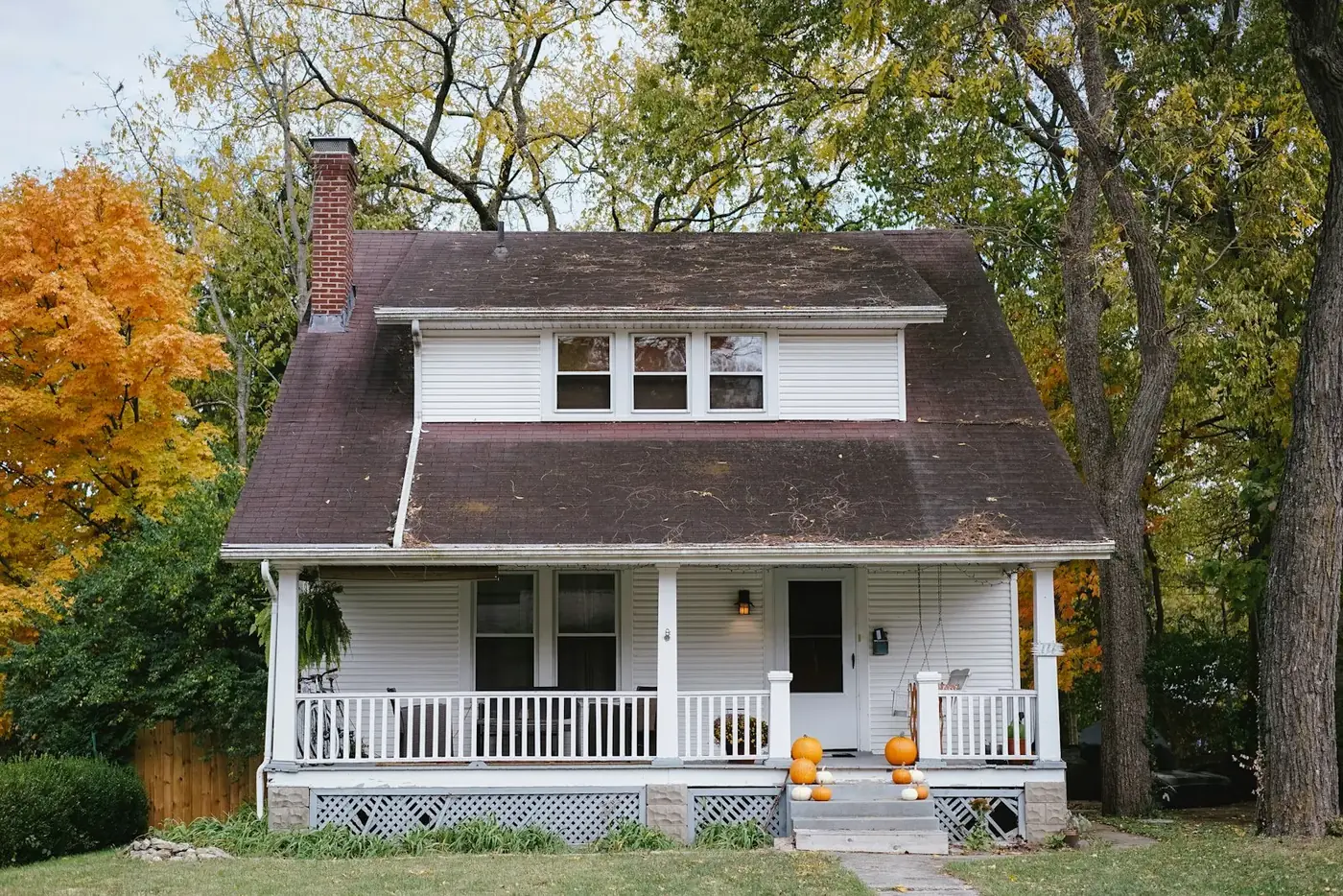
When hail rattles the windows or a tropical storm rips shingles off the ridge, the next question is usually about insurance. A roof insurance claim Fort Bend County homeowners file after a storm follows a fairly predictable path, but small missteps early on can delay payment or shrink what gets approved. This guide walks through the process from the first photo to the final check, with notes on what tends to go wrong.
A quick disclaimer: every policy is different. Treat this as a general guide and check your own policy, or ask your agent, for the details that apply to you.
Know what your policy actually covers
Most homeowner policies in Texas cover sudden, accidental damage from events like hail, wind and falling trees. They generally do not cover wear and tear, age, or damage caused by lack of maintenance. That distinction is the center of most roof claim disagreements.
Before storm season, pull out your declarations page and look for:
- Your deductible. Many policies have a separate wind and hail deductible, often a percentage of dwelling coverage. On a $350,000 home, a 2 percent deductible is $7,000.
- Replacement cost or actual cash value. Replacement cost policies pay to put on a new roof. Actual cash value policies subtract depreciation, which can be significant on an older roof.
- Roof-specific endorsements. Some policies limit coverage for roofs over a certain age or pay cosmetic damage differently.
- Reporting deadlines. Many policies require prompt notice and set a deadline for filing.
Step 1: Document the damage right away
Once the storm has passed and it is safe, start taking pictures. Photograph the roof from every side of the yard, any shingles or debris on the ground, dented gutters and vents, spatter marks on fences and AC units, and any water stains inside. Write down the date and time of the storm. Save screenshots of weather alerts or local news coverage mentioning hail or high wind in Missouri City, Sienna, Sugar Land or wherever you live.
If you have before photos from earlier in the year, keep them in the same folder. They are useful proof of the roof's condition before the event. Our storm damage checklist is a handy way to make sure nothing is missed.
Step 2: Prevent further damage
Most policies expect you to take reasonable steps to protect your home after damage occurs. That might mean a temporary tarp over a damaged area, moving furniture away from a leak, or setting out buckets. Keep receipts for anything you spend on emergency protection. Many insurers reimburse reasonable mitigation costs as part of the claim.
Step 3: Get a professional inspection
If you are not sure the roof is damaged, an inspection before you file can save you trouble. A claim for minor damage below your deductible still goes on your record with some insurers. A trained inspector can tell you whether there is likely enough storm damage to justify a roof insurance claim Fort Bend County carriers will take seriously, and they can document it with clear photos.
Our free roof inspection includes slope-by-slope photos and a written summary, with no obligation to hire us. If there is damage, we will tell you. If there is not, we will tell you that too.
Step 4: File a roof insurance claim Fort Bend County carriers can process quickly
Call your insurer's claim line or use their app to report the loss. Have your policy number, the date of the storm, a short description of what happened, and your photos ready. You will get a claim number. Write it down and use it on every call and email from that point on.
The insurer will assign an adjuster, who may be a staff adjuster or an independent adjuster hired for storm volume. After a big event like the May 2024 derecho or Hurricane Beryl, adjusters can be stretched thin across Fort Bend and Harris counties, so expect some delay and keep notes on every contact.
Step 5: Meet the adjuster on site
This is the most important appointment in the process. If possible, have your roofer there. A contractor who has already inspected the roof can walk it with the adjuster and point out each damaged area, including spots that are easy to miss like soft metal dents or bruises on the back slopes.
As Missouri City roofers, we regularly meet adjusters for homeowners. To be clear about our role: we are not public adjusters, and we do not negotiate your claim for you. We document damage and make sure it is seen. In Texas, only a licensed public adjuster or an attorney can negotiate a claim on your behalf. Our insurance claim help page explains exactly what we do and do not do.
Step 6: Review the estimate and payment
After the inspection, the adjuster will send a scope of loss, usually a line-item estimate. Compare it to your contractor's estimate. Common gaps include missing drip edge, starter strip, ridge cap, pipe boots, steep-pitch charges, or decking replacement. If something is missing, your contractor can send supporting documentation and you can request a supplement.
Payments often come in two parts on replacement cost policies. The first check covers actual cash value minus your deductible. The second, called recoverable depreciation, is released after the work is complete and the final invoice is submitted. Your mortgage company may also be named on the check, which adds a step.
If you disagree with the adjuster's findings, you have options. Start by asking for the decision and the reasoning in writing. You can request a re-inspection, ideally with your contractor present, and submit additional photos or a written damage report. Many Texas policies also include an appraisal clause that lets each side hire an appraiser when the dispute is about the amount of loss rather than whether coverage applies. For larger or more complicated disputes, some homeowners choose to consult a licensed public adjuster or an attorney. Check your policy for the exact steps and deadlines, and keep communicating in writing so there is a clear record.
Once the work is finished, send the final invoice and completion photos to your insurer promptly so the depreciation holdback is released. Keep a copy of everything for your records, including the manufacturer warranty registration for the new roof.
Mistakes to avoid
- Waiting too long. Damage gets harder to tie to a specific storm as months pass.
- Signing contracts on the spot. Storm chasers flood Fort Bend County after big hail events. Read everything before signing, and verify the company has a real local presence.
- Accepting deductible waivers. Any contractor offering to cover or waive your deductible is violating Texas Business & Commerce Code §27.02. You are responsible for paying it.
- Skipping the paperwork. Keep every email, estimate, photo and receipt in one folder.
If damage is confirmed and the claim moves forward, our storm and hail damage team can handle repairs or a full replacement. Call (512) 297-7580 with questions. A roof insurance claim Fort Bend County homeowners prepare for carefully almost always goes smoother than one filed in a rush.