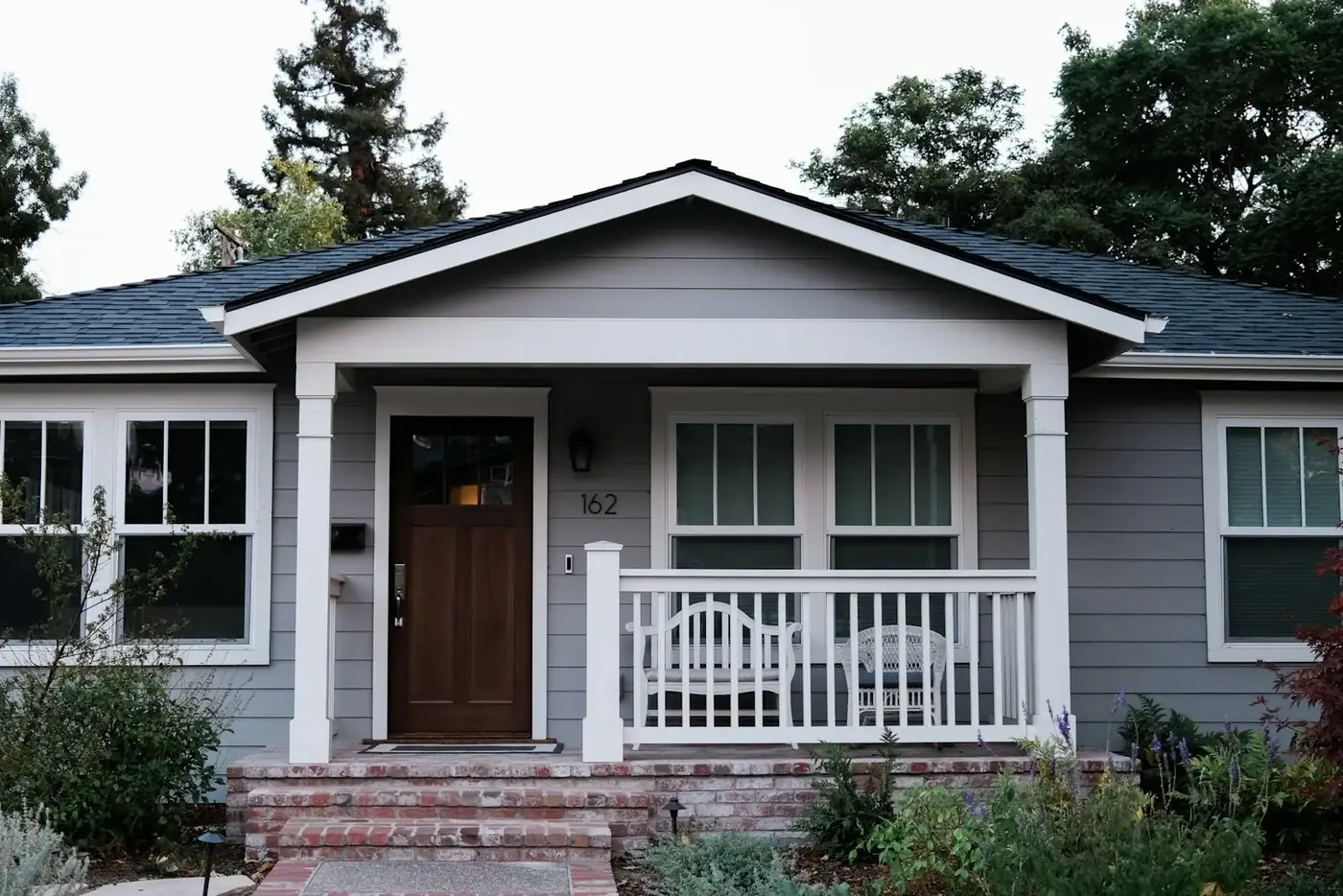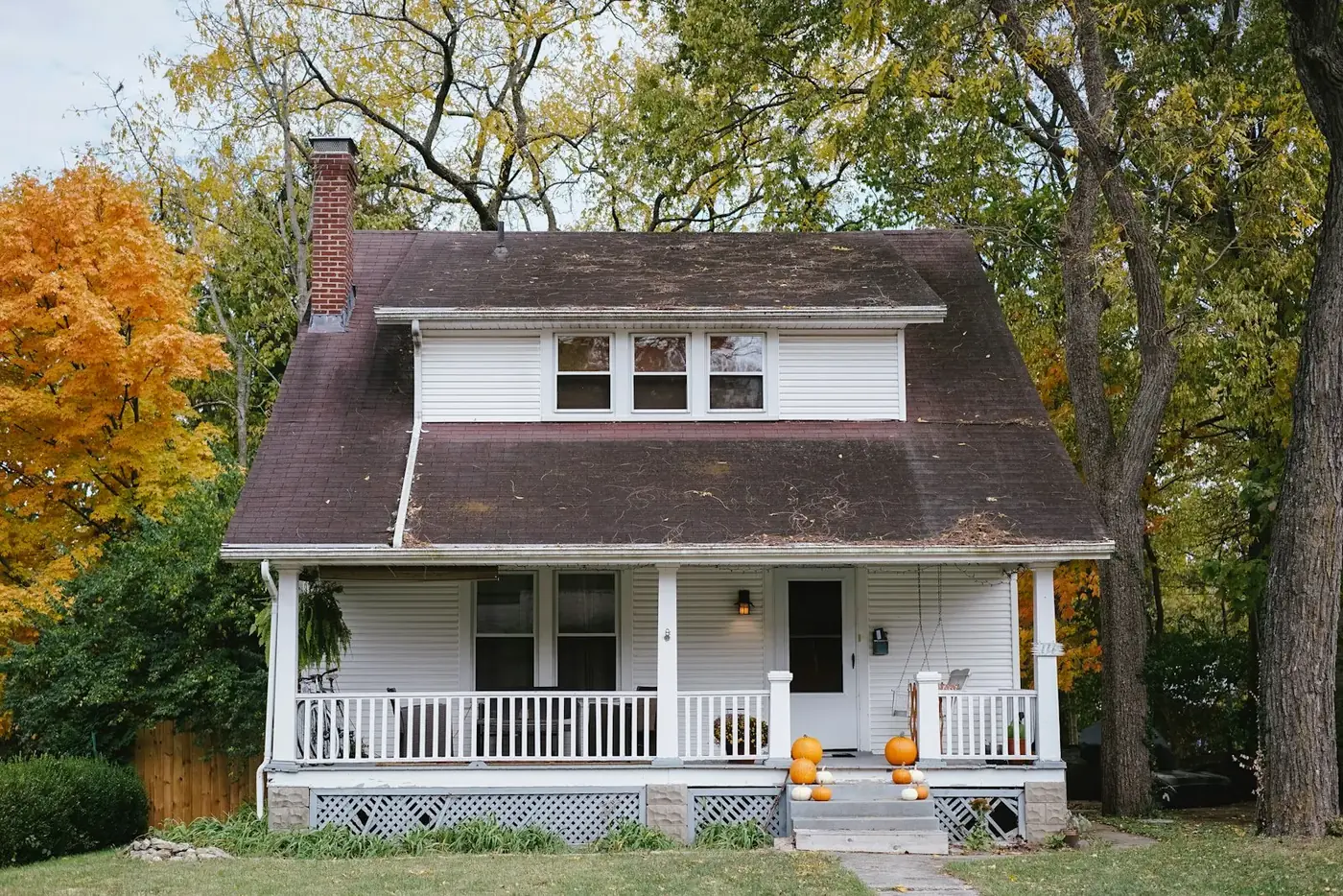
Look up at the roofs on almost any street in Lake Olympia, Quail Valley or Colony Lakes and you will spot them: long, dark stains running down from the ridge, usually on the shadiest slope. These roof algae black streaks Texas homeowners see along the Gulf Coast are not dirt, soot or a manufacturing defect. They are a living organism, and Missouri City's heat, humidity and big shade trees give it everything it needs. The streaks are mostly a cosmetic problem, but how you deal with them can either protect your roof or shorten its life.
What Causes the Roof Algae Black Streaks Texas Roofs Get
The culprit on most asphalt roofs is a type of airborne cyanobacteria, often identified as Gloeocapsa magma. Its spores travel on the wind and settle on shingles, where they feed on moisture and on the limestone filler used in many asphalt shingles. As the colony grows, it develops a dark outer coating that protects it from UV light. That coating is what you see as black or dark green streaks.
Rain carries the spores down the slope, which is why the stains tend to form long vertical stripes rather than random spots. They often start below the ridge and spread toward the eaves over a few years.
Why Missouri City roofs are especially prone
- Humidity. Morning dew and muggy nights keep shingles damp for hours, giving algae steady moisture.
- Shade. Mature oaks and pines in older neighborhoods block the sun that would otherwise dry the roof. North-facing slopes stay damp longest.
- Warm temperatures most of the year. Short, mild winters mean the growing season barely pauses.
- Neighborhood spread. Once several roofs on a street are streaked, spores are always in the air nearby.
Algae, Moss and Lichen Are Not the Same
It helps to know what you are looking at, because the risk is different for each.
| Growth | What it looks like | Risk to the roof |
|---|---|---|
| Algae | Dark streaks, flat against the shingle | Mostly cosmetic; can add heat absorption |
| Moss | Green, fuzzy clumps, often on shaded edges and valleys | Holds water, lifts shingle edges and can lead to leaks |
| Lichen | Gray-green or crusty circular patches | Bonds tightly to granules; removal can pull granules off |
Moss is less common on Missouri City roofs than in wetter, cooler climates, but it does show up in deep shade and in valleys packed with leaves. If you see clumps rather than streaks, treat it as a maintenance issue that deserves a closer look.
Does Algae Damage Shingles?
On its own, algae does not usually eat through a shingle or cause leaks. The concerns are more indirect:
- A darker roof absorbs more heat, which can raise attic temperatures in summer and add to wear on the shingles.
- Algae holds a little extra moisture on the surface, which can encourage moss in shaded spots.
- Streaked roofs can draw attention from HOAs in communities such as Sienna and Riverstone, and some homeowners have received notices about roof appearance.
- When a home goes on the market, buyers often read streaks as a sign of an old or neglected roof, even when the shingles are sound.
Some insurers also look at roof condition during inspections, so a heavily stained roof may get extra scrutiny. Check with your agent if you have questions about how your carrier views it.
How to Clean Roof Algae Safely
The goal is to kill the algae without stripping granules or forcing water under the shingles. That rules out the most tempting tool in the garage.
The low-pressure approach
- Use a cleaner made for roofs. Many roof cleaners use a diluted bleach (sodium hypochlorite) solution or other products formulated for asphalt shingles. Follow the shingle manufacturer's guidance where it exists.
- Protect your landscaping. Wet down plants, grass and shrubs before and after, and cover delicate beds. Runoff can burn foliage.
- Apply gently. Use a low-pressure sprayer, let the solution sit as the product directs, then rinse at garden-hose pressure.
- Give it time. Streaks often keep fading for days or weeks after treatment as the dead algae washes away in the rain.
Roofs are slippery when wet, and treated shingles are even worse. Two-story homes and steep pitches are not a good place for a ladder and a pump sprayer. If you are not comfortable on a roof, hire it out. You can check how steep your roof is with our roof pitch calculator.
Keeping the Streaks From Coming Back
Cleaning solves the problem for a while. Prevention keeps it solved longer.
- Trim overhanging branches. More sun and airflow means a drier roof and less debris in valleys.
- Keep gutters clear. Clogged gutters hold wet leaves against the roof edge, which feeds both algae and moss. Our gutter services can help if your drainage is overwhelmed by tree litter.
- Add zinc or copper strips near the ridge. When rain washes over the metal, it carries trace amounts down the slope that discourage growth. Results vary, but it is a modest-cost option.
- Choose algae-resistant shingles at replacement time. Many manufacturers offer shingles with copper-containing granules designed to slow algae. On a shaded Missouri City lot, they are well worth asking about. Our article on the best shingles for Texas heat and humidity compares options.
Hiring Out Roof Cleaning: What to Expect
If you decide to hire someone, ask how they clean, not just what they charge. A careful roof cleaning service should describe a low-pressure or soft-wash method, name the cleaning solution and explain how it protects plants, pools and painted surfaces. Ask whether the crew walks the roof or works from ladders and lifts, and how they handle steep or two-story slopes. Be wary of anyone who mentions a pressure washer for shingles.
Timing helps, too. Cleaning on a mild, overcast day keeps the solution from drying too quickly in the Missouri City sun, and a dry forecast for the following day gives the product time to work before rain rinses it away. Most homeowners find that a well-done cleaning, paired with tree trimming and clear gutters, buys several years before the streaks become noticeable again.
When Streaks Mean It Is Time for a Closer Look
Algae alone is rarely a reason to replace a roof. But dark staining can make it hard to see other problems from the ground. If your roof also shows curled shingles, bald patches, granules piling up at the downspouts or stains on the ceiling, the streaks may be the least of your worries. That combination is worth a professional inspection, especially on older roofs or after a hailstorm.
Our free roof inspection includes photos of the shingle surface, valleys, flashing and attic, so you can tell the difference between cosmetic roof algae black streaks Texas weather leaves behind and real wear. As Missouri City roofing specialists, we will tell you whether cleaning, a repair or simply leaving it alone makes the most sense. Call (512) 297-7580 to set up a time.