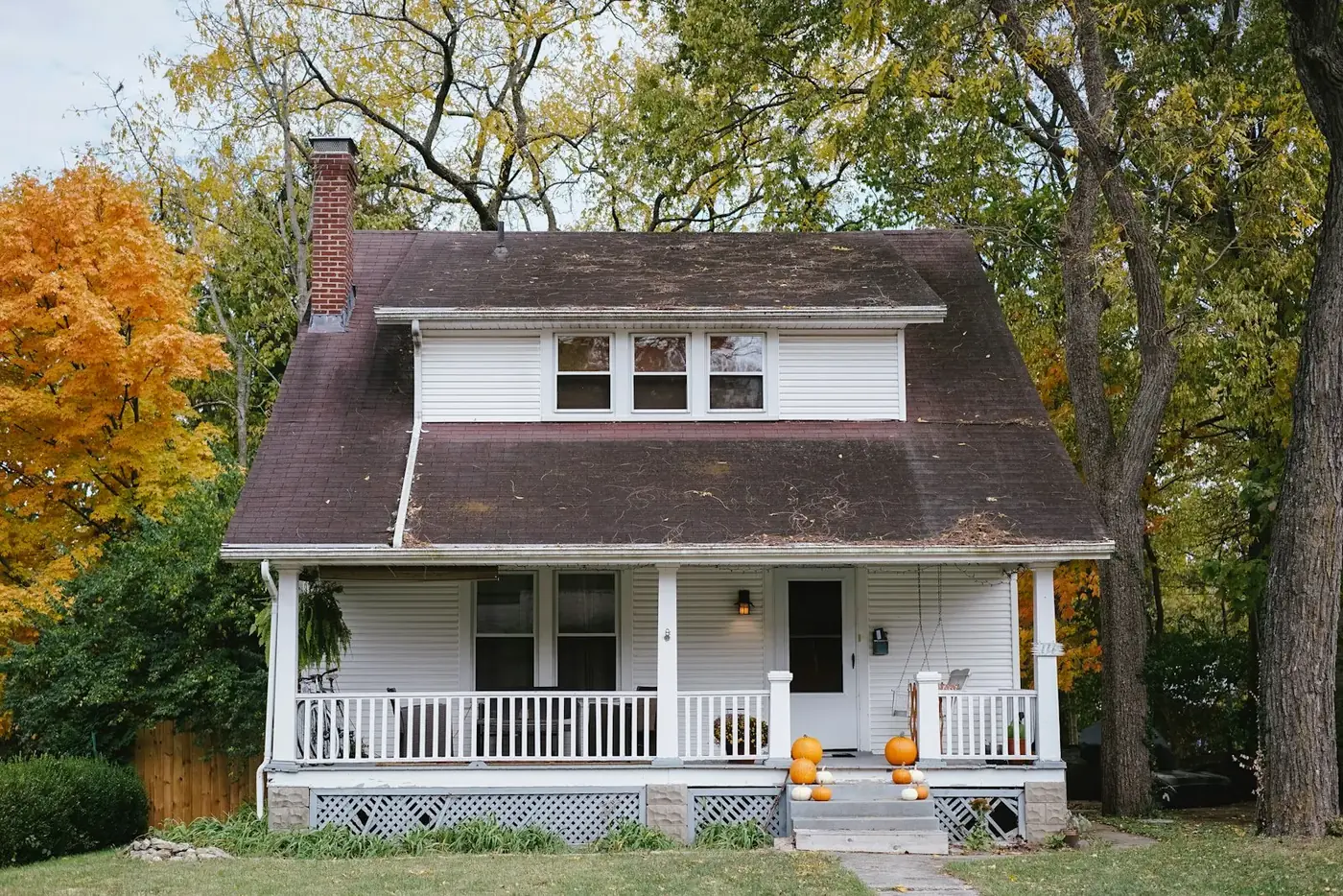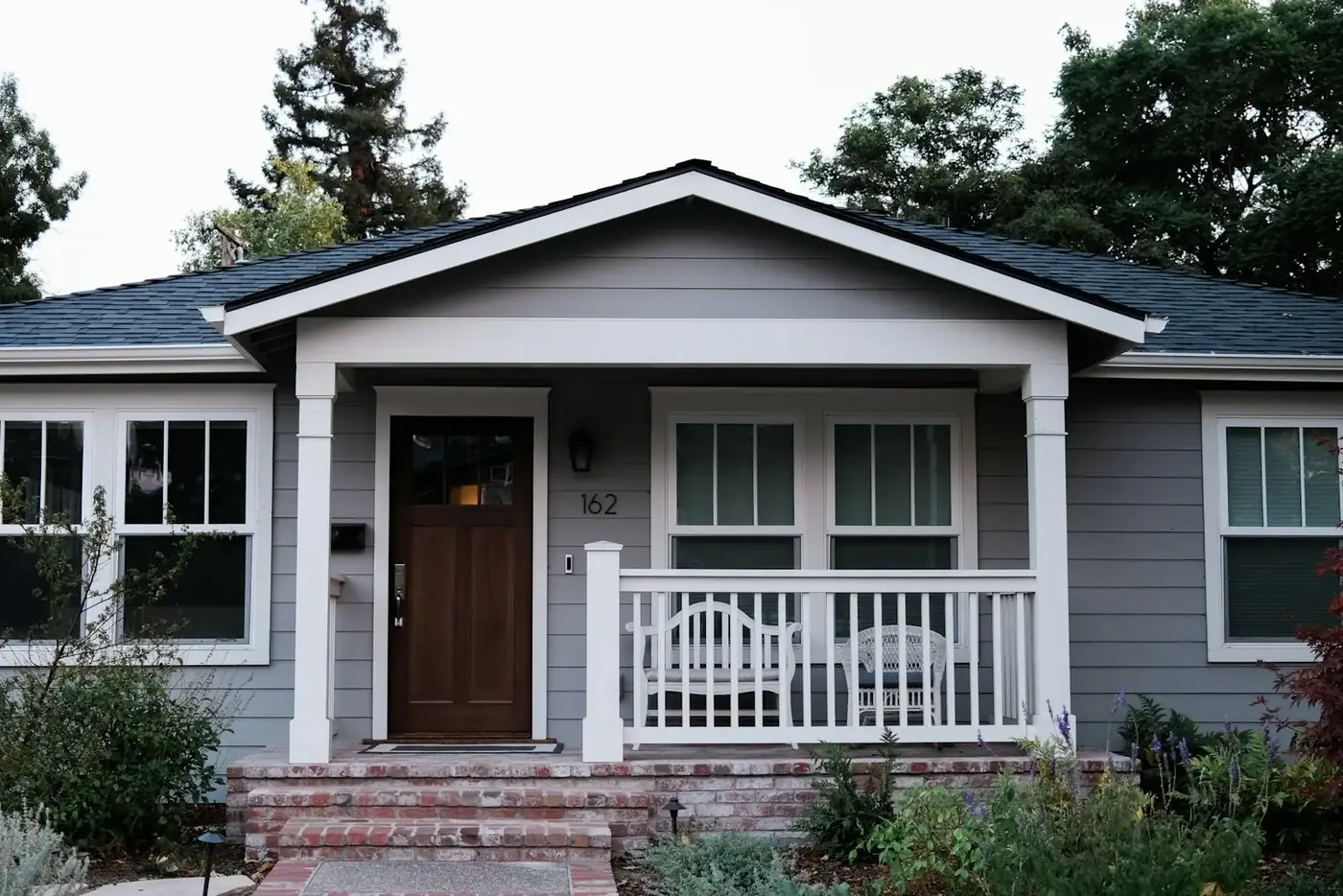
Drive the loop roads around the Quail Valley golf course and you will see a lot of the same story: solid brick homes built in the 1970s and 1980s, big oaks and pines overhead, and roofs that have been replaced once or twice since the house was new. When one of those roofs starts leaking or shedding granules, the owner faces the classic question of whether to repair or replace older roof systems. There is no single rule, but there is a reliable way to think it through, and it starts with understanding what the roof has been through.
Why Quail Valley Roofs Age the Way They Do
The Gulf Coast is hard on asphalt. Summer attic temperatures cook shingles from below while the sun bakes them from above, and that heat slowly drives out the oils that keep them flexible. Add the humidity, the spring hail and the tropical systems that roll through every few years, and a roof that might last a long time in a milder climate can wear out noticeably faster here.
Quail Valley adds a few local twists:
- Mature trees. Shade keeps the roof wet longer after rain and dew, which feeds algae and moss. Overhanging limbs scrape shingles in the wind and drop debris that clogs valleys and gutters.
- Older decking. Many original homes have plank or early plywood decking that has been through several tear-offs. Each round of nails leaves more holes, and some boards have taken on moisture over the years.
- Layered history. Some homes still carry a second layer of shingles installed over the first decades ago. That extra weight and trapped heat shortens the life of the top layer.
- Low-slope additions. Patio covers and back-room additions tied into the main roof are frequent leak points, especially where they meet brick walls.
Homes in Hunters Glen and Fondren Park share much of this profile, so the same reasoning applies across the older parts of Missouri City.
Signs a Repair Still Makes Sense
A repair is usually the right call when the problem is limited and the shingles around it still have life left. Good candidates include:
- A single leak traced to a cracked pipe boot, loose flashing at a chimney or a failed seal around a vent
- A handful of shingles lifted or torn off by wind, with the surrounding field still flexible and well bonded
- A dent or puncture from a fallen limb that did not damage the decking underneath
- Minor gutter or drip edge issues that let water run behind the fascia
- A roof that is relatively young, perhaps under 12 years, with no widespread wear
The test is simple: if you fix this spot, will the rest of the roof keep doing its job for several more years? If the answer is yes, a targeted roof repair is money well spent.
The bend test
A good roofer will gently lift a shingle tab in a few spots. Shingles that flex and reseal are still healthy. Shingles that crack, crumble at the edges or refuse to lift without breaking are telling you the roof is at the end of its useful life, and repairs on brittle shingles often cause as much damage as they fix.
Signs It Is Time to Replace
When several of these show up together, replacement usually costs less over time than chasing leaks:
- Widespread granule loss. Bald patches, dark streaks of exposed asphalt and piles of granules at the downspouts mean the shingles have lost their UV protection.
- Curling, cupping or cracking across multiple slopes, not just one corner.
- Repeat leaks in different places. One leak is a repair. Three leaks in two years on different slopes is a pattern.
- Soft or sagging decking. A spongy feel underfoot or a visible dip in the roofline points to moisture damage that a patch cannot reach.
- Two layers already on the roof. Building codes generally limit the number of layers, and any significant work will mean a tear-off anyway.
- Storm damage across most of the roof. If hail bruised every slope, a few new shingles will not restore the roof. Our guide to spotting hail damage explains what to look for.
The Cost Math of Repair or Replace Older Roof Decisions
Price is where most homeowners start, so put real numbers on the table. A small repair may cost a few hundred dollars. A full replacement with architectural asphalt shingles runs roughly $4.50 to $7.50 per square foot of roof area installed in the Houston area, and a typical Missouri City home has somewhere around 2,200 to 3,200 square feet of roof area. Those are planning ranges, not quotes, but they show the scale of the choice. You can rough out your own home with our roof cost calculator.
A useful way to compare: add up what you have spent on repairs in the last three years and what you expect to spend in the next three. If that total is climbing toward a meaningful share of a new roof, and the roof is past its prime, the repairs are buying very little time. On the other hand, spending a few hundred dollars to keep a sound 10-year-old roof watertight is an easy decision.
Hidden costs to factor in
Older Quail Valley homes often need decking replacement once the old shingles come off. Ask any contractor to state a per-sheet price for decking in writing so you are not surprised. Ventilation upgrades, new flashing against brick walls and replacing worn drip edge also add cost, but they are exactly the details that help a new roof last in this climate.
Insurance and Timing
If a storm caused the damage, check whether a claim makes sense before you pay out of pocket. Insurance generally covers sudden events like hail and wind, not gradual wear. Many Texas policies also reduce payouts on older roofs by using actual cash value instead of replacement cost, so read your declarations page or ask your agent. Our article on filing a roof insurance claim in Fort Bend County walks through the steps.
Timing matters too. Replacing a roof in late fall or winter usually means shorter wait times than after a spring hail event, when every crew in the county is booked. If your roof is clearly on its last legs, planning the replacement before the next hurricane season is far better than reacting to a leak in August.
Questions to Ask Before You Decide
- How old is the current roof, and is it one layer or two?
- Are the problems isolated or spread across multiple slopes?
- What does the decking look like from the attic?
- What have repairs cost so far, and how often have they been needed?
- How long do you plan to stay in the home?
- Would a new roof help with resale, insurance premiums or energy costs?
If you plan to sell in the next year or two, buyers and their inspectors will flag an aging roof quickly, and a replacement can remove a major negotiating point. If you plan to stay for decades, investing in a full system with good ventilation is usually the better long-term value.
Get an Honest Inspection First
The fastest way to settle the question is to have someone get on the roof and into the attic and show you what they find. Our free roof inspection includes photos of every problem area, so you can see the condition for yourself instead of taking anyone's word for it. As Missouri City roofers who work on these older homes every week, we will tell you plainly when a repair will do the job and when it will not.
Call (512) 297-7580 to schedule a visit. A clear answer on whether to repair or replace older roof sections now can save you from paying for both later.