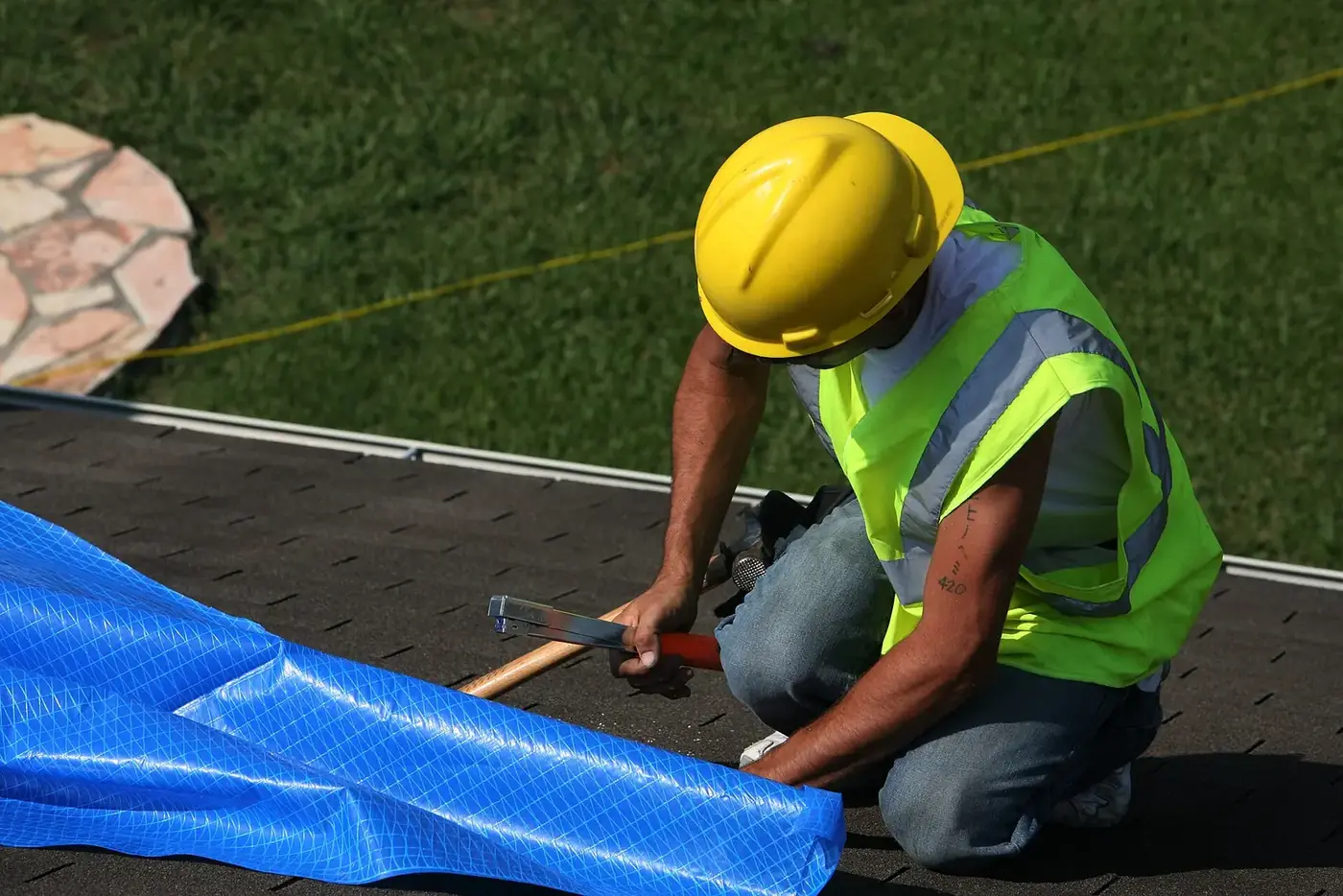
Missouri City sits roughly 60 miles from the Gulf, close enough that a tropical storm can push sustained wind and sideways rain across Fort Bend County before it has weakened much. Good hurricane roof prep Missouri City homeowners can do on their own is not complicated, but it has to happen before the cone of uncertainty shows up on the evening news. This guide walks through what to check, what to fix, what to leave alone, and how to document your roof so an insurance claim goes smoothly if something does go wrong.
The goal is simple: find the weak points that wind and water will exploit, and deal with them while the weather is calm and roofers have open schedules.
Why hurricane roof prep in Missouri City matters
Hurricane Harvey in 2017 is remembered here for the Brazos River flooding, but plenty of homes also took on water through the roof after days of rain driven by gusty wind. Hurricane Beryl in July 2024 was a different kind of storm: fast, windy, and hard on trees and power lines across the county. Both showed the same pattern. Roofs rarely fail all at once. They fail at a lifted shingle tab, a cracked pipe boot, a gutter packed with oak leaves, or a limb hanging over the ridge.
Missouri City's housing stock makes those weak points common. Many of the brick homes in Quail Valley, Hunters Glen and Fondren Park were built between the 1970s and 1990s and are on their second or third roof. Newer two-stories in Sienna and Riverstone have younger roofs, but their tall walls and complex rooflines catch more wind. Either way, a little attention in advance goes a long way.
Hurricane roof prep Missouri City step one: walk the house
You do not need to climb a ladder to spot most problems. Grab binoculars or use your phone's zoom and walk the full perimeter of the house on a clear morning. Look for:
- Lifted or creased shingles, especially along the edges and ridge where wind uplift is strongest.
- Missing granules showing as dark, smooth patches, or granules piled at downspout outlets.
- Exposed nail heads or shingles that look wavy rather than flat.
- Damaged flashing around chimneys, walls and skylights, including caulk that has cracked and pulled away.
- Pipe boots and vents with split rubber collars or bent metal. Southern sun cooks rubber boots, and they are a classic leak point in sideways rain.
- Sagging lines along the ridge or between rafters, which can point to soft decking.
Then go into the attic with a flashlight. Water stains on the underside of the decking, dark rings around nails, or daylight showing through are all signs to get a professional look before storm season peaks.
Trim trees and clear the gutters
Mature live oaks, pecans and pines are one of the best things about older Missouri City neighborhoods and one of the biggest roof risks during a hurricane. Limbs that overhang the roof can scrape shingles in moderate wind and puncture decking in high wind. Have a licensed arborist cut back anything within about ten feet of the roof, and remove dead branches that could become projectiles.
Gutters matter just as much. A storm that drops several inches of rain in a few hours needs a clear path off the roof. Clogged gutters overflow behind the fascia, rot the edge of the decking, and can back water under the first course of shingles. Clean them out, confirm downspouts drain away from the slab, and check that hangers are tight. If your gutters are sagging or pulling away, our gutter and drainage service can repair or replace them before the season ramps up.
Fix small problems while it is calm
Most of the repairs that make a real difference are small and inexpensive when done early: resealing flashing, replacing a handful of loose or missing shingles, swapping out cracked pipe boots, and re-nailing ridge cap. These jobs take an hour or two on a sunny day in May. After a storm warning, the same work becomes a scramble, and after landfall it can mean waiting weeks behind hundreds of other homeowners.
If you are not comfortable judging your roof's condition, schedule a free roof inspection. We walk the roof, photograph every slope and problem area, and give you a plain-language list of what needs attention now and what can wait. There is no obligation to hire us for the repairs.
Think about the roof you will want next
If your roof is near the end of its life, the months before hurricane season are a good time to plan a replacement rather than patch it again. A new roof is also the moment to add upgrades that improve wind resistance:
- Six-nail fastening on shingles instead of four, placed in the manufacturer's nailing zone.
- Starter strips with adhesive at the eaves and rakes, where uplift begins.
- Sealed roof deck using peel-and-stick tape or full synthetic underlayment, so water stays out even if shingles blow off.
- Wind-rated shingles or standing-seam metal, both of which handle Gulf wind better than older three-tab products.
Our roof replacement page explains the process in more detail, and you can rough out a budget with the roof cost calculator.
Document your roof before the season
Insurance claims go smoother when you can show what the roof looked like before the storm. Take dated photos of each slope from the street and backyard, close-ups of vents and flashing, and pictures of every ceiling inside the house. Save them to cloud storage so they survive a power outage or a flooded garage. Store your policy number, your insurer's claim line and your agent's contact info in the same folder.
It is also worth reading your policy now. Many Texas policies carry a separate wind or hurricane deductible, often a percentage of your dwelling coverage rather than a flat dollar amount. Check your policy so you are not surprised later. Our post on filing a roof insurance claim in Fort Bend County covers what happens after a storm.
The 48 hours before landfall
Once a storm is forecast to reach the Houston area, focus on things you can do safely from the ground:
- Bring in patio furniture, grills, trampolines, planters and anything else that could be blown into the roof or windows.
- Do one last gutter and downspout check, and clear storm drains near your driveway.
- Close attic access doors and make sure you know where your water shutoff is.
- Put buckets, towels and a few plastic sheets near upstairs closets and ceilings that have leaked before.
- Charge phones and a power bank. After Beryl, many Fort Bend County households were without power for days, which makes photographing damage and calling for help harder.
Do not climb on the roof in rising wind. No shingle is worth a fall.
After the storm passes
When the wind has died down and it is safe to go outside, walk the property again. Photograph any debris, missing shingles, damaged gutters or fallen limbs before anything is moved. Check ceilings and the attic for fresh stains. If you find damage, use our storm damage checklist to make sure nothing is missed, then call (512) 297-7580. As Missouri City roofers, we can tarp active leaks, document damage with photos, and meet your adjuster on site. We are not public adjusters, and we never waive or cover deductibles, which is illegal in Texas, but we can make sure the adjuster sees everything that storm actually did.
A little hurricane roof prep Missouri City homeowners do now saves a lot of stress later. Start with the walk-around this weekend, and get the small fixes done before the Gulf heats up.